HOST PLANTS:
Grass they prefer bentgrasses, but will attack many other lawn grasses like bluegrass and varieties of red fescue.
DAMAGE:
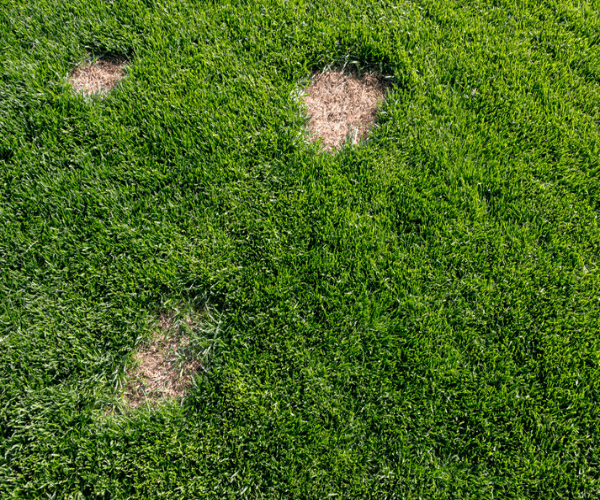
Lawn damage shows up as irregular yellow patches, which begin in June and spread over the summer. The grass may turn brown and die if feeding continues unchecked, and a severe infestation of chinch bugs can destroy an entire lawn.
DESCRIPTION AND LIFECYCLE:
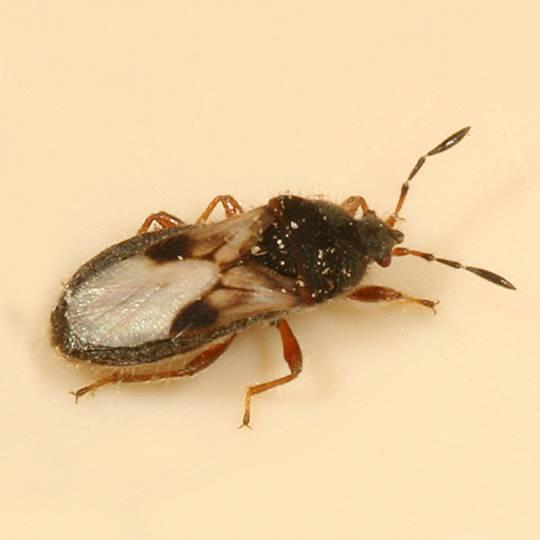
If you are taking care of your lawn with regular watering and it still shows signs of drought damage you may be dealing with a chinch bug infestation. Turf should respond quickly to watering if it’s only thirsty but if it has been overtaken by chinch bugs it will not. You may also notice yellow spots of grass next to driveways, sidewalks or the foundation of your home, areas that are naturally warmer and will therefore attract the heat-loving chinch.
CONTROL MEASURES:
Mow at the maximum recommended height. Fertilize the appropriate amount, overfertilization with nitrogen can lead to more chinch bugs, so use small amounts during the summer or use a slow-release formula. Aerate the soil. Water regularly, especially during hot and dry weather. Remove excess thatch from your lawn. There are insecticides to use if none of the a for mentioned methods help.
CALL SHADY LANE EXPERT TREE CARE TO PROVIDE RECOMMENDATIONS